


As temperatures begin to fall, your windows and doors play an important part in keeping your home warm, secure and comfortable. A few straightforward checks before winter can help you spot draughts, prevent avoidable damage and make sure every unit continues to operate correctly.
Here is how to prepare your windows and doors for the colder months, as well as the signs that it may be time to consider replacements.

Check for draughts
On a cool or windy day, slowly move your hand around the edges of each closed window and external door. If you can feel cold air entering, inspect the seals and the area where the frame meets the wall.
Worn or loose seals may need replacing. Gaps around the frame could also indicate that the sealant has deteriorated. Avoid covering a significant gap without identifying its cause, as movement or damage may require professional attention.
Curtains can make a room feel cosier, but they should not be treated as a substitute for windows or doors that close and seal properly.
Clean the frames and seals
Dirt, leaves and other debris can collect around frames, hinges and seals. This build up may stop a window or door from closing tightly, which can allow draughts and moisture into your home.
Use warm water and a soft cloth to clean uPVC and aluminium frames. Avoid abrasive pads and harsh cleaning products, which could mark the surface. Wipe rubber seals carefully and check that they remain securely in position.
Window drainage channels should also be kept clear. These small openings allow water to leave the frame, so blocked channels can contribute to damp patches or water collecting around the unit.

Test locks, handles and hinges
Open and close every window and door to check for stiffness, rubbing or unusual movement. Handles should operate smoothly, and locks should engage without excessive force.
If a door is difficult to lock, do not force the handle or key. Changes in temperature can affect how doors sit within their frames, while worn hinges or incorrect alignment may also be responsible. A professional can assess the unit and make suitable adjustments without causing further damage.
Any lubricant used on moving parts should be suitable for the particular hardware. Check the manufacturer’s guidance or ask an installer before applying a product.
Look closely at the glazing
Inspect the glass for chips, cracks and signs of moisture between the panes. Condensation on the room side of the glass is often linked to humidity and ventilation. Regularly using extractor fans and opening windows for short periods can help moisture escape, even during winter.
However, condensation trapped between the panes may indicate that the sealed glass unit has failed. Once this happens, the window may no longer perform as intended and should be inspected.
Check external doors and thresholds
Your front, back and patio doors should close firmly against their seals. Check the threshold for dirt, damage and gaps, paying particular attention after heavy rain.
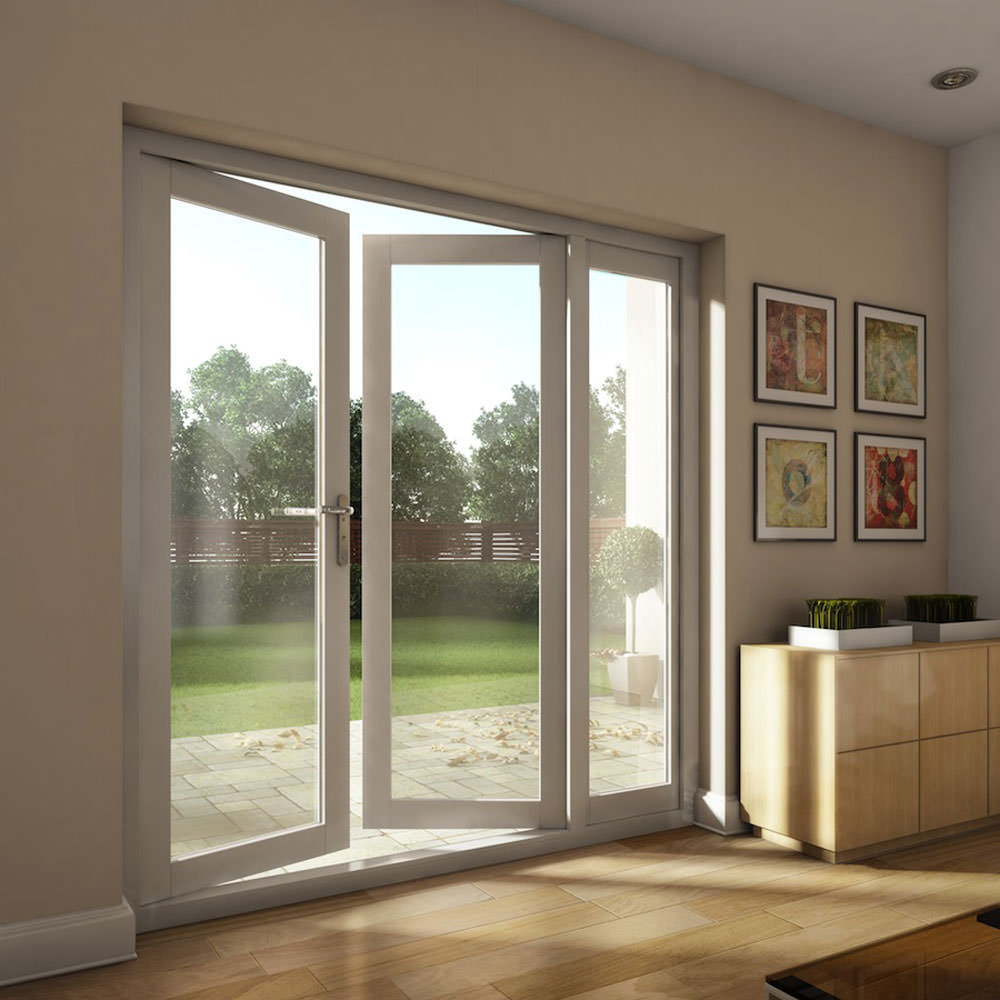
Composite doors provide a robust entrance option, while uPVC doors are valued for their practical upkeep. uPVC bifold, French and patio doors can bring more natural light into the home. Whatever style you have, sound installation, suitable glazing and effective seals are all important during colder weather.
Consider energy efficient replacements
Sometimes maintenance will resolve a minor issue. Older units with recurring draughts, failed glazing, damaged frames or unreliable locks may be better replaced.
Modern uPVC windows with double glazing can reduce unwanted heat loss when correctly specified and installed. Replacement entrance doors can also improve weather resistance and security while giving you a choice of colours, glazing and hardware to suit your property.
At WFS Anglia, we can help you explore suitable window and door options for your home. To learn more about our range, get in touch with our team. If you are planning replacements before the colder weather arrives, ask us for advice or get a quote today.


